How Do Solar Panels Work (Simple Explanation For Beginners)
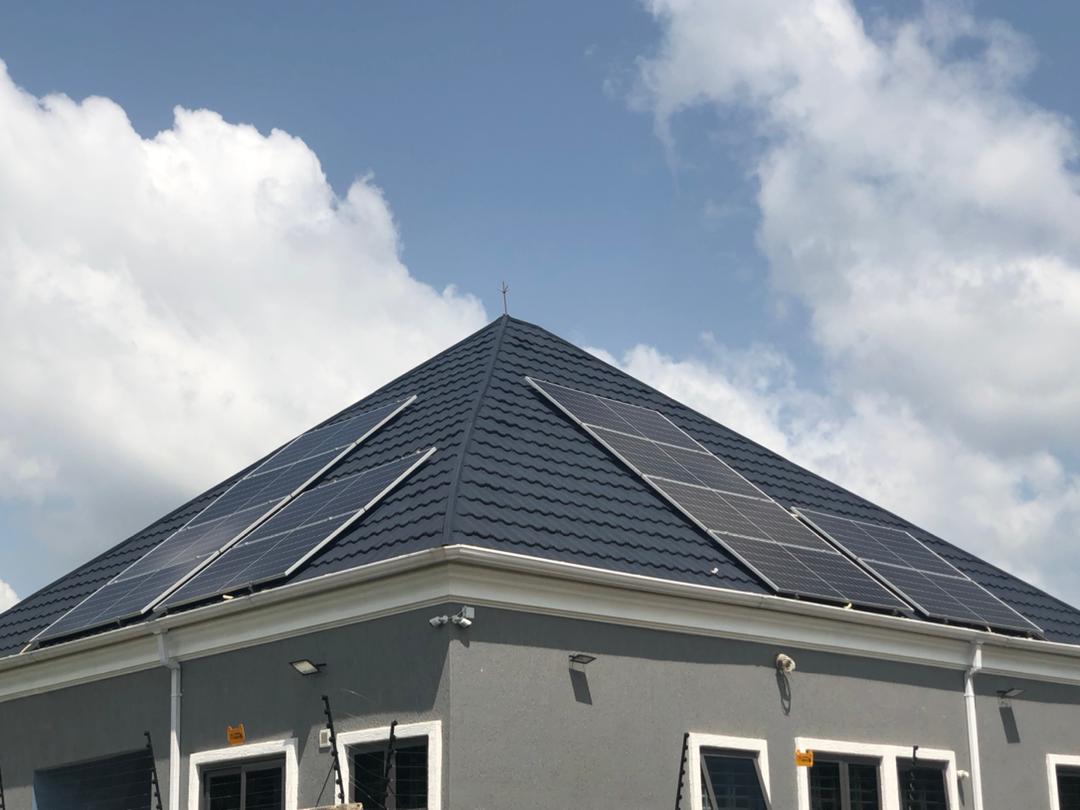
Contrary to what most people think, solar panels are quite simple devices that convert the energy of the sun into electrical energy. Ever thought about how they function?
Table of Contents
- What Are Solar Panels?
- What Is Solar Energy?
- How Do Solar Panels Work Step by Step
- What Are Solar Panels Made Of?
- Where Does The Extra Solar Power Go?
- Do Solar Panels Work Without Sunlight?
- Lifespan, Durability, and Maintenance
- Common Mistakes Beginners Make
- Benefits of Solar Panels
- Conclusion
- FAQ
What Are Solar Panels?
Solar panels are made up of solar cells. These cells capture sunlight and convert it into electricity using photovoltaic technology. This produces what's called direct current (DC). Since most homes run on alternating current (AC), a device called an inverter converts the DC into AC, which is the type of electricity that powers your lights, TV, and appliances.
What Is Solar Energy?
Solar energy is the light and heat that come from the sun. Every single day, the sun releases energy towards the earth in a particular amount. The purpose of solar panels is to harness solar energy and convert it into electrical energy. Solar energy or sunlight is composed of photons, quite straightforward for anybody to comprehend. Not many people however are familiar with the process by which the sun actually produces the photons that we receive as sunlight. This process is known as nuclear fusion and it occurs within the sun's core.
How Do Solar Panels Work Step by Step
Solar panels are made up of small cells of silicon, an extremely effective semi-conductor at absorbing sunlight for use as electricity. Inside of each solar cell there are two layers of silicon which form an electric field. This helps control how electricity flows. When sunlight reaches the panel, it carries energy in the form of photons. These photons transfer their energy to electrons inside the cell. This energy causes the electrons to move. That movement creates an electrical flow.
What Are Solar Panels Made Of?
Solar panels are built from several components that work together to capture sunlight and produce electricity. Each part plays a role in making the panel efficient and long-lasting.
Solar Cells
These are the heart of the panel. Solar cells absorb sunlight and generate electricity using photovoltaic technology. Most are made from silicon and come in two common types:
- Monocrystalline – More efficient and typically more expensive
- Polycrystalline – Slightly less efficient but more affordable
Protective Glass
A tough, clear layer on the front of the panel. It allows sunlight to pass through while protecting the cells from weather, debris, and physical damage.
Encapsulation and Backing Layers
These layers surround and sit behind the solar cells, shielding them from moisture, heat, and wear over time.
Anti-Reflective Coating
A special surface coating that reduces the amount of sunlight that bounces off the panel, allowing more energy to be absorbed.
Electrical Wiring
Thin wires inside the panel collect the electricity generated by the cells and transport it out of the panel.
Connector Strips
These link the individual solar cells together, allowing electrical current to flow across the entire panel.
How It All Works Together
All these components combine to make solar panels highly efficient at converting sunlight into electricity. Here's the basic process:
- Sunlight hits the panel – The solar cells absorb light energy.
- Electrons get energised – The energy from sunlight causes tiny particles called electrons to start moving.
- Electricity is generated – This movement of electrons creates an electrical current, which is then captured and directed through the wiring.
Where Does The Extra Solar Power Go?
During the bright sunny hours of the day, your solar panels can produce more electricity than your home needs. That extra energy does not go to waste. There are two ways it is handled:
Stored in a Battery
If your system includes a battery, the extra electricity is saved for later. This stored energy becomes useful in the evening, at night, or during a power outage.
Sent Back to the Grid
If you do not have a battery, the extra electricity can be sent back to the power grid. In some countries you may receive credits for the energy you send back.
Do Solar Panels Work Without Sunlight?
Yes, solar panels still work on cloudy days and during winter, although their output is usually lower. This is because solar panels generate electricity from daylight, not direct sunlight. When the sky is cloudy there is still light reaching the panels. In cooler conditions solar panels can actually perform well, since extreme heat can sometimes reduce efficiency. Snow may temporarily block sunlight, but panels are usually installed at an angle allowing snow to slide off.
Lifespan, Durability, and Maintenance
The lifespan, durability, and maintenance of panels are important to consider. Solar panels are built to last. Since they stay outdoors for years they are designed to handle different weather conditions such as rain, wind, and heat.
Most quality solar panels can last 25 years or more. Many manufacturers also provide warranties to guarantee that the panels will continue producing a level of power over time. When it comes to maintenance, solar panels are relatively easy to take care of. In places with regular rain, it naturally helps clean off dust and dirt. However, in areas with a lot of dust or pollution, occasional gentle cleaning can help keep them working efficiently.
Common Mistakes Beginners Make
Expecting Solar Panels to Fully Replace Power Without Planning
The first mistake is believing that solar panels will entirely substitute your power without any planning. The fact is that the performance of a system depends on how well the solar setup is matched to your actual energy requirements.
Ignoring Sunlight Availability and Roof Conditions
Be aware that a lot of today's solar panels are made to work well in the amount of sunlight that is normally available most of the day. If trees, buildings, or other obstructions completely block sunlight from hitting your roof, the system may not work as well as it should.
Skipping Professional Installation and System Design
Another common mistake is attempting to set up solar equipment without adequate knowledge of the process. This could limit the effectiveness of the entire system while increasing the probability of encountering various difficulties. Professional assistance will help ensure proper installation of the equipment.
Benefits of Solar Panels
Lower Electricity Bills
One major advantage is that your monthly expenses can be cut down. Because your house will be operating through energy obtained from the sun during the day, your need to use power from the grid will be limited. Over time this can lead to significant savings on your monthly energy bills. Also, when solar systems are used with battery storage, they can be even more reliable — if there is a power outage, a system with a battery can continue supplying electricity to your home.
Reliable Power Supply
One of the reasons people choose solar panels is that they provide a dependable source of power. This makes solar energy not just a cost-saving option but also a more reliable alternative to grid power, especially in areas where supply can be inconsistent.
Long-Term Investment
While there is a cost to install the system, the benefits continue for many years. Once your panels are up and running, they begin to reduce your electricity bills immediately. Over time these savings can add up, making the system pay for itself. Since most solar panels can last 25 years or more, you continue to enjoy reduced energy costs long after installation. Solar panels allow people to make maximum use of available resources and minimise reliance on traditional grid supply, making energy use more stable and controlled over time.
Conclusion
At the end of the day, solar panels aren't for everyone. But for many homeowners, they're a smart move. They will lower your bills, reduce your reliance on the grid, and help the environment. The key is doing your homework first — which you've already started by reading this. When you're ready to make the investment, contact us and we'll walk you through the next steps.
FAQ
Do solar panels require maintenance?
Solar panels have a low maintenance cost since they only need to be cleaned periodically and checked from time to time.
Are solar panels expensive?
Solar panels involve a one-time installation cost. However, they save a significant amount of money on electricity bills in the long run.
Can solar panels power an entire house?
Yes, they are capable of powering an entire house if the system is appropriately designed for your energy needs.
Are solar panels environmentally friendly?
Yes, solar panels produce clean energy and reduce carbon emissions. They help decrease reliance on fossil fuels, making them an environmentally sustainable energy option.
How much sunlight do solar panels need to work efficiently?
Solar panels perform best with direct sunlight, but they can still generate electricity with indirect light. On average, 4–6 hours of good sunlight per day is enough for efficient performance.